
How to Properly Load a Refrigerated Trailer for Even Cooling

A refrigerated trailer is only as effective as the way it’s loaded. Even the best cold storage unit can struggle if airflow is blocked or food is stacked incorrectly. Improper loading can lead to uneven temperatures, spoiled food, and food safety risks.
At Simply Chillin, we not only provide reliable refrigerated trailer rentals, but we also help our customers use them correctly. Here’s a practical guide on how to load a refrigerated trailer properly to ensure consistent, even cooling throughout.
Why Proper Loading Matters
Refrigerated trailers are designed to circulate cold air evenly from the refrigeration unit through the entire trailer. When airflow is restricted, cold air can’t move freely, causing:
Hot spots
Temperature fluctuations
Faster spoilage of perishable items
Potential food safety compliance issues
Correct loading helps maintain safe temperatures, protects your stock, and ensures your trailer performs as intended.
Common Loading Mistakes to Avoid
Overloading the trailer
Blocking vents or airflow channels
Loading warm food straight from delivery
Opening doors too frequently
Ignoring temperature checks
Avoiding these mistakes can significantly improve cooling performance and food safety.
STEP BY STEP REFRIGERATED TRAILER LOADING GUIDE
1. Pre-Chill the Trailer Before Loading
Before loading any food, allow the refrigerated trailer to reach its operating temperature.
Best practice:
Turn the unit on at least 30–60 minutes before loading
Confirm the internal temperature is 5°C or below (or frozen if required)
Loading warm food into a warm trailer puts unnecessary strain on the unit and increases the risk of uneven cooling.
2. Leave Space for Airflow
Air circulation is the key to even cooling.
Avoid:
Stacking products directly against the walls
Blocking the air chute or evaporator
Packing items tightly from floor to ceiling
Instead:
Leave small gaps between pallets or stacks
Keep space between the load and trailer walls
Ensure air can flow freely from the refrigeration unit to the back of the trailer
Cold air must be able to circulate around the entire load to maintain consistent temperatures.
3. Don’t Block the Rear Doors
It’s common to overload the back of a refrigerated trailer, but this can cause major temperature issues.
Make sure:
Products are not pressed directly against the doors
There is space for air to circulate at the rear
Blocked doors often lead to warmer temperatures at the back of the trailer, even when the unit is working properly.
4. Load Similar Products Together
Different products have different temperature requirements.
For best results:
Group similar food types together
Avoid mixing chilled and frozen items unless the trailer is designed for it
Place the most temperature-sensitive products where airflow is strongest
This helps maintain consistent temperatures and reduces the risk of spoilage.
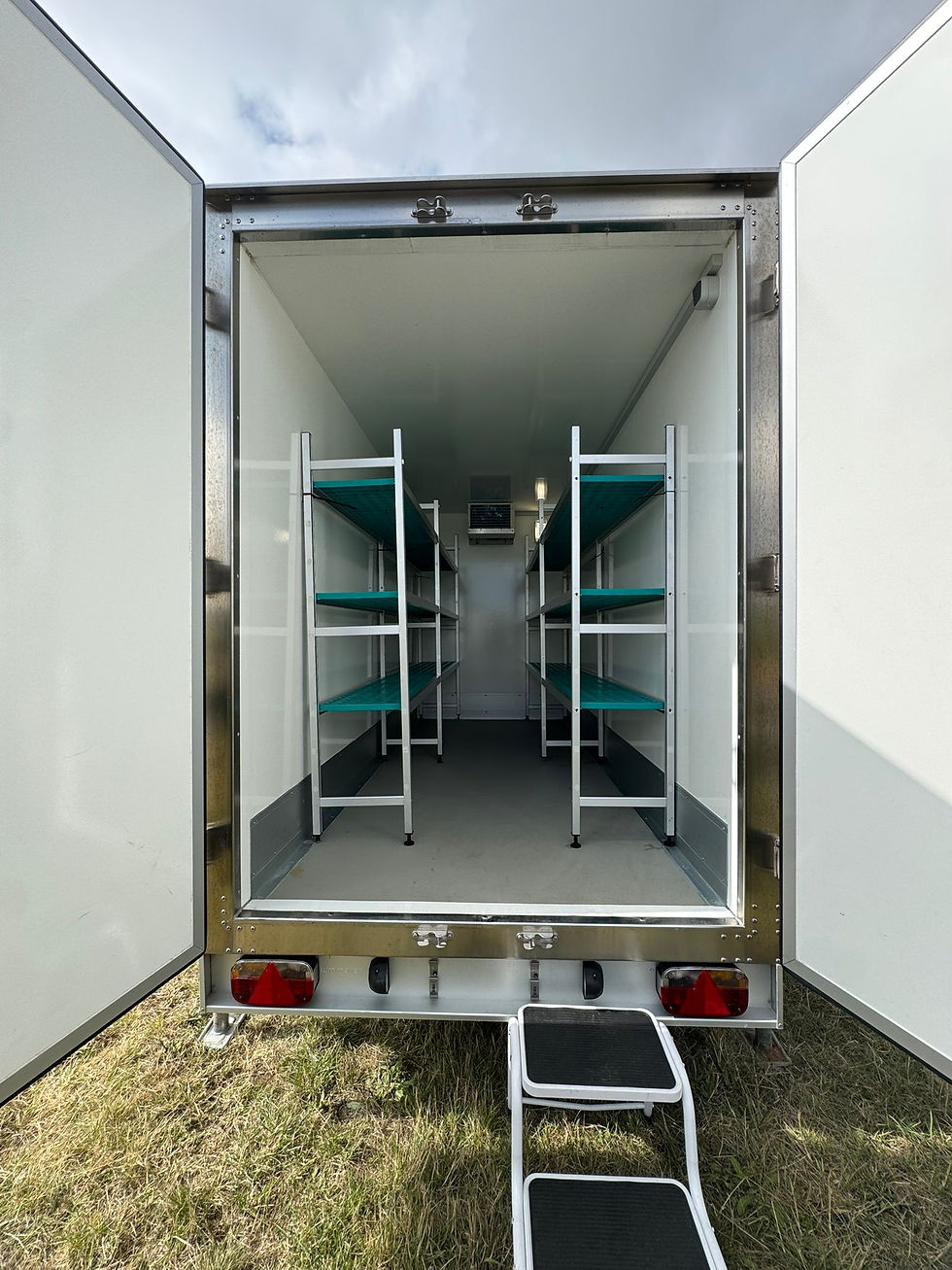
5. Use Shelving Where Possible
Placing food directly on the trailer floor can restrict airflow.
Using pallets or shelving:
Allows cold air to move underneath the load
Helps maintain even cooling from top to bottom
Makes loading and unloading safer and more efficient
6. Monitor Temperatures Regularly
Even with proper loading, temperatures should always be checked.
Tips:
Use a calibrated thermometer
Check multiple areas of the trailer, not just one spot
Monitor temperatures during long storage periods or hot weather
Regular monitoring ensures food remains within safe limits at all times.
Need a Refrigerated Trailer You Can Rely On?
If you need dependable cold storage or advice on using a refrigerated trailer correctly, Simply Chillin is here to help.

Contact Simply Chillin today on 07768662 152 for refrigerated trailer rentals, emergency call-outs, and expert cold storage solutions.


Comments